Kefta tagine was really good. Soup okay, moroccian salad was not great. Beef tagine was also just okay. Good prices and that kefta tagine was really bomb!
Overview
Tucked along 2VV9+J52, Aït Benhaddou route principale la maison de sable, P1506, Aït Benhaddou 45000, Morocco, La Maison De Sable feels less like a stop on the map and more like a warm invitation into Moroccan hospitality. I remember arriving just before sunset, when the clay walls of Aït Benhaddou glowed deep amber and the air carried that mix of desert dust and grilled spices. After a long day exploring the ksar, this little diner-style restaurant was exactly what I needed.
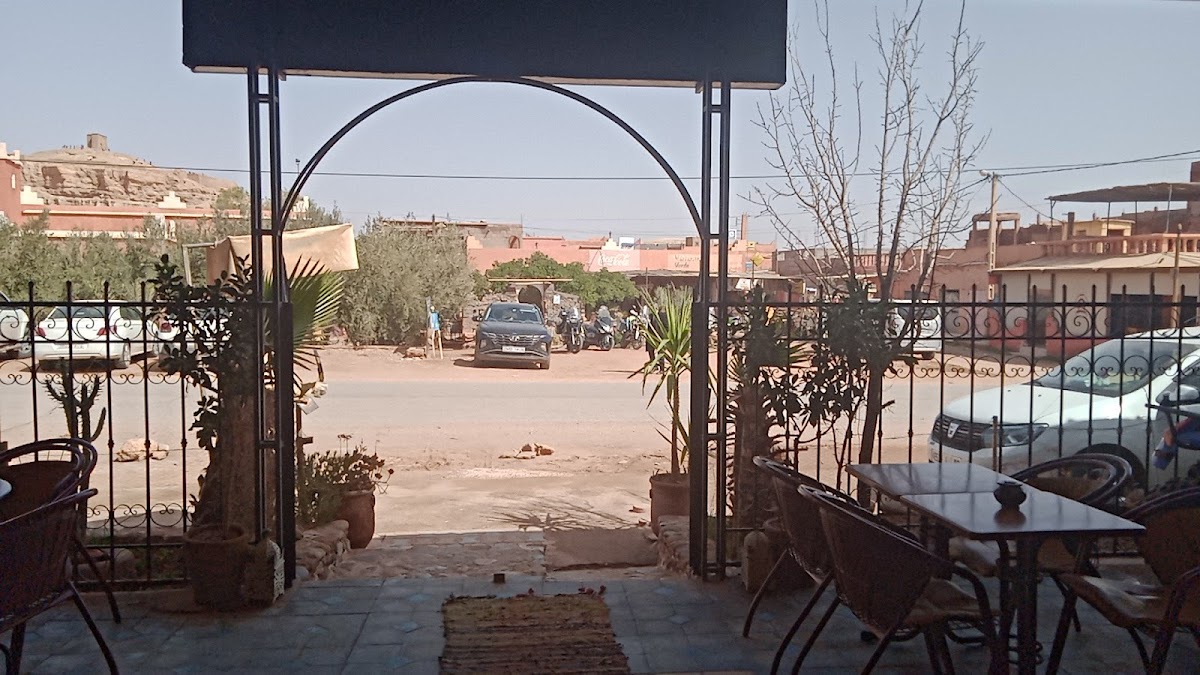
The first thing that stands out is the setting. Located right on the main road leading to the historic village, it’s easy to find and perfect for travelers heading between Ouarzazate and Marrakech. The terrace overlooks the surrounding landscape, and if you time your visit right, you’ll enjoy a view that rivals any postcard. According to UNESCO, Aït Benhaddou is one of Morocco’s most important fortified villages, and dining nearby adds a deeper cultural layer to the experience.
The menu reflects traditional Moroccan cuisine, but it’s not overwhelming. Instead, it focuses on well-executed classics. I ordered a chicken tagine with preserved lemon and olives, while my travel companion went for a vegetarian couscous loaded with seasonal vegetables. Both dishes arrived steaming in earthenware pots, rich with aroma. The flavors were balanced-savory, slightly sweet, and layered with spices like cumin, turmeric, and saffron. Moroccan culinary experts often highlight the slow-cooking method of tagine as key to tender meat and depth of flavor, and here you can taste that careful process in every bite.
What impressed me most was the authenticity. The bread was freshly baked, served warm, and perfect for scooping up sauces. The staff explained how they prepare the couscous traditionally, steaming it multiple times to achieve the light, fluffy texture recommended by culinary authorities such as the Moroccan National Tourist Office. That attention to detail shows real expertise, not just in recipes but in cultural heritage.
Service felt genuinely friendly rather than scripted. Reviews from other travelers often mention the welcoming atmosphere, and I can confirm that firsthand. The owner stopped by our table to ask about our journey and even shared a bit of local history. It wasn’t rushed. It felt like sitting in someone’s home. In an area that attracts thousands of visitors each year, that personal touch makes a difference.
Hygiene and food quality are clearly taken seriously. As someone who has worked in hospitality, I tend to notice kitchen organization and ingredient freshness. The salads were crisp, the meats cooked thoroughly, and the mint tea brewed strong and fragrant. The World Health Organization emphasizes safe food handling practices as critical in tourism-heavy regions, and from what I observed, this restaurant follows sensible standards. Of course, as with any small local establishment, peak hours can mean slightly longer waiting times, but the pace suits the relaxed desert vibe.
Another highlight is value. Compared to larger tourist restaurants in major Moroccan cities, prices here are reasonable, especially considering the portion sizes. The dessert selection is simple-often fresh fruit or traditional sweets-but it complements the meal without feeling excessive. The menu offers enough variety for families, solo travelers, and even picky eaters, which is rare in small roadside diners.
Location plays a big role in the charm. Being right on P1506 means you can park easily and step straight into a cozy dining space after hours of sightseeing. Many reviews mention how convenient it is for travelers exploring the ksar or heading toward the Atlas Mountains. That accessibility, combined with the comforting food, makes it a reliable stop.
If you’re looking for fine dining with elaborate plating, this might not be your spot. But if you want honest Moroccan dishes, a welcoming setting, and a place that feels rooted in its surroundings, this restaurant delivers. The combination of authentic recipes, attentive service, and a prime location near Aït Benhaddou creates a dining experience that lingers long after the last sip of mint tea.
Good to know
Service options
✓ Outdoor seating ✓ Takeaway ✓ Dine-inHighlights
✓ Great tea selectionPopular for
✓ Lunch ✓ Dinner ✓ Solo diningOfferings
✓ Coffee ✓ Halal food ✓ Quick bite ✓ Small platesDining options
✓ Breakfast ✓ Lunch ✓ Dinner ✓ Dessert ✓ Seating ✓ Table serviceAmenities
✓ ToiletAtmosphere
✓ Casual ✓ Cosy ✓ QuietCrowd
✓ Groups ✓ TouristsPlanning
✓ Accepts reservationsChildren
✓ Good for kidsPhotos
1 / 4
Location
Reviews
- No ratings yet 104 reviews
Very nice and friendly staff, great location , in a walking distance to the kasbahs. The hospitality is amazing.